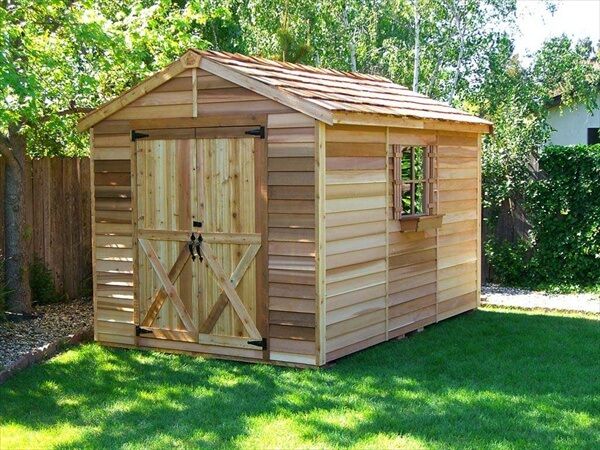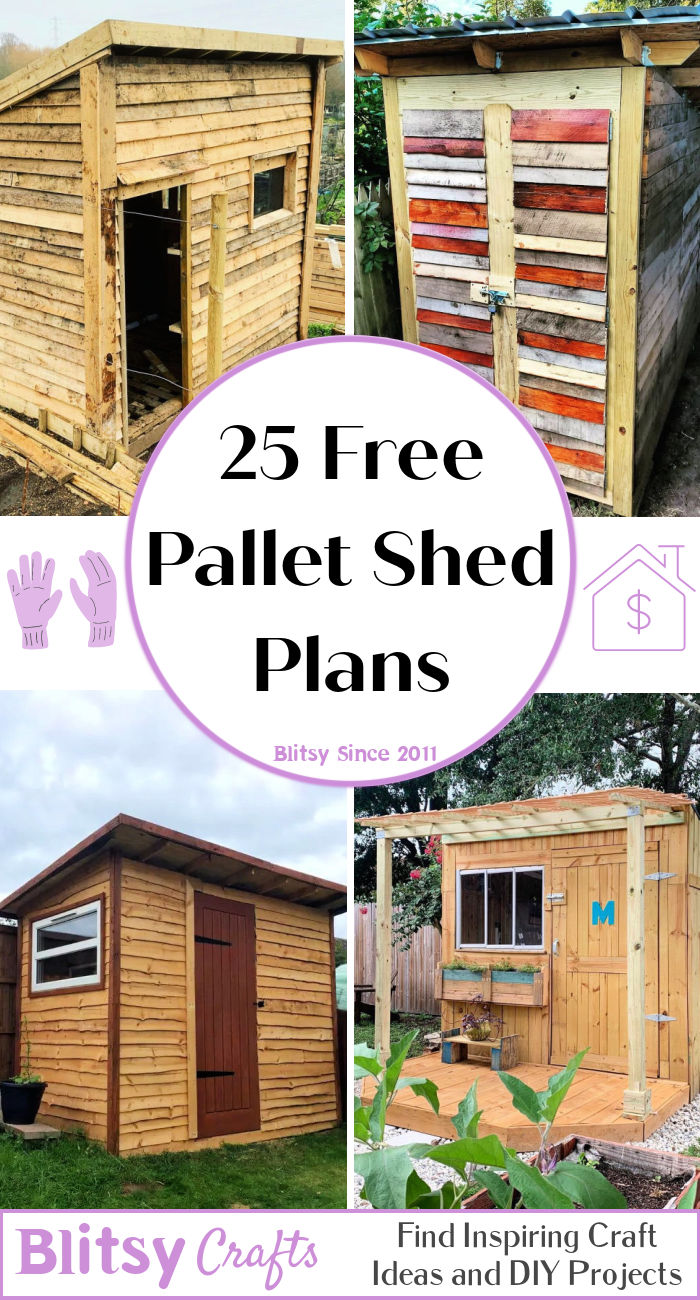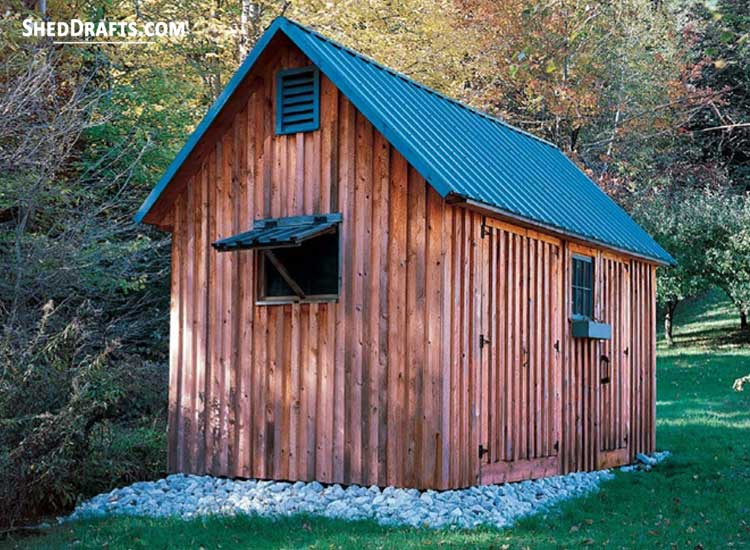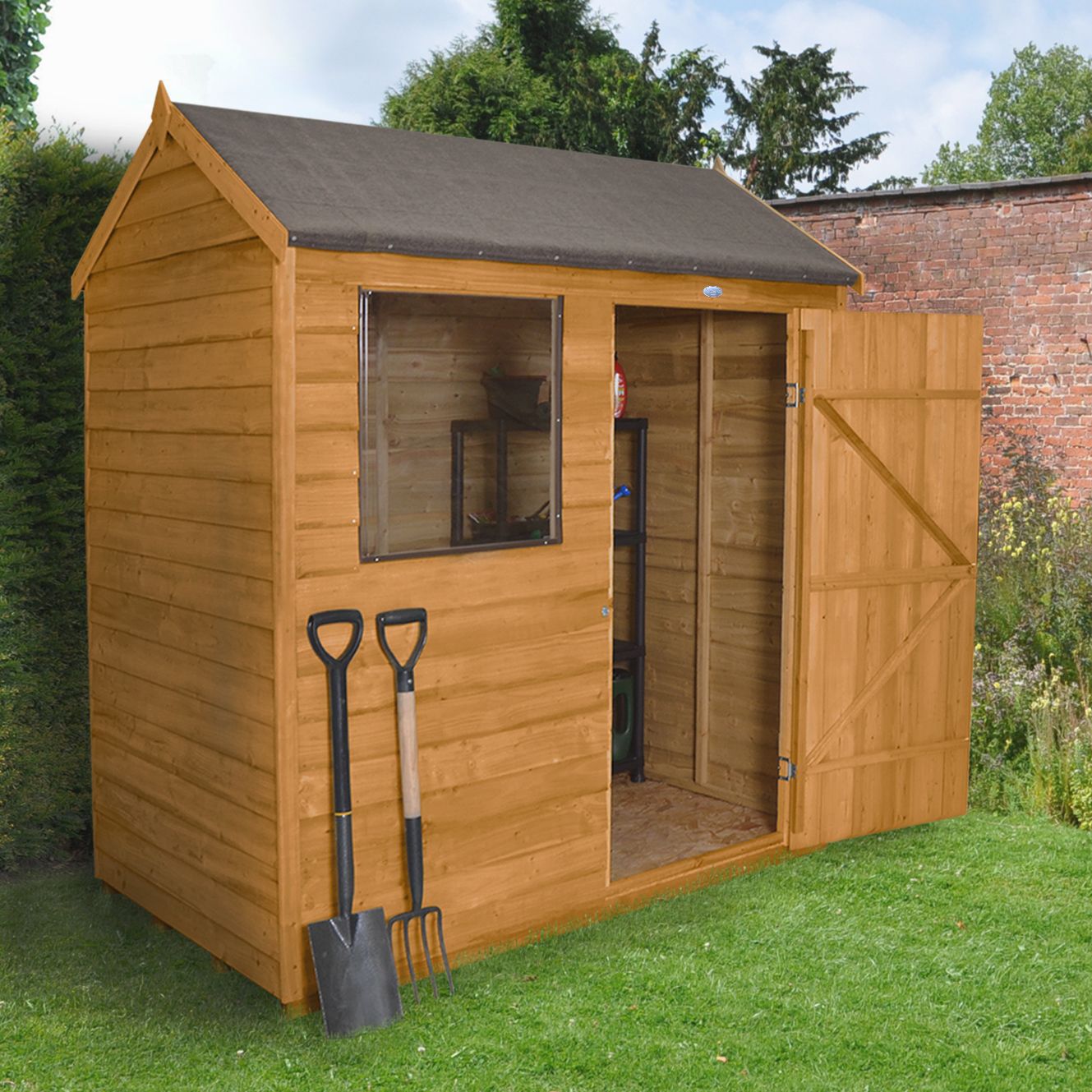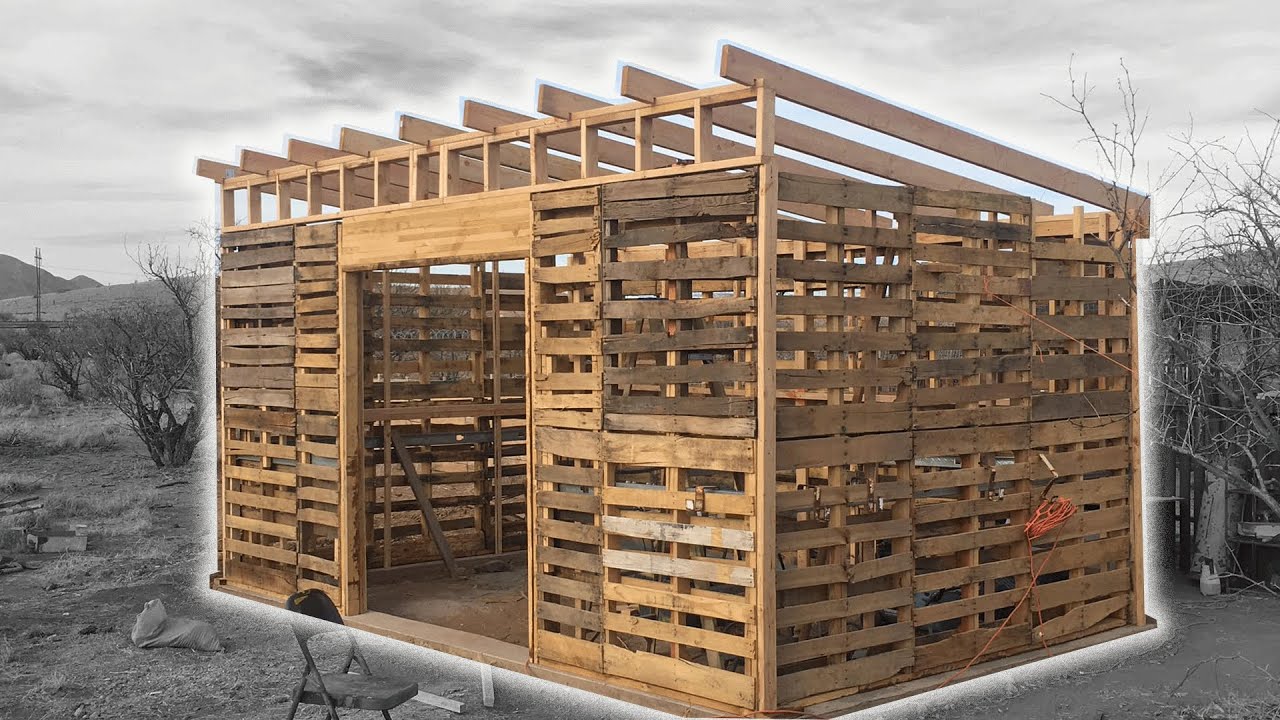
A comprehensive guide for first-time shed builders. Explore simple blueprints, tips on selecting materials, and easy construction methods to kickstart your DIY journey.

DIY Pallet Shed: How to Use Free Plans to Build a Practical Shed

DIY Pallet Shed: How to Use Free Plans to Build a Practical Shed

DIY Pallet Shed: How to Use Free Plans to Build a Practical Shed

Dreaming of a charming, functional shed without breaking the bank? You can achieve that dream by building your own from reclaimed pallets! This guide walks you through the process of using free online plans to construct a practical and attractive pallet shed, perfect for storing garden tools, bicycles, or anything else cluttering your space. Forget expensive pre-fabricated sheds; with a little time and effort, you'll have a personalized storage solution that reflects your style and saves you a significant amount of money.

Finding the Perfect Free Shed Plans

The internet is a treasure trove of free shed plans, catering to various skill levels and desired sizes. Begin your search on popular DIY websites and forums. Look for plans that explicitly detail the materials needed, provide clear diagrams, and include step-by-step instructions. Pay close attention to the dimensions to ensure the shed fits comfortably in your chosen location and meets your storage needs. Don't be afraid to browse multiple plans before settling on one that feels right for you. Consider factors like the overall size, roof style, and the complexity of the design.

Key Considerations When Choosing Plans

Before diving into construction, carefully review the plan details. Consider these crucial factors:

  • Experience Level: Choose plans that match your DIY skills. Beginner-friendly plans will have simpler designs and detailed instructions.
  • Pallet Condition: The plans should specify the type and condition of pallets needed. Ensure you source pallets that are structurally sound and free from rot or significant damage.
  • Tools Required: Check the list of necessary tools. Gather everything beforehand to streamline the building process. This includes basic tools like hammers, saws, drills, and measuring tapes, but some plans might require more specialized tools.

Gathering Your Materials: Beyond the Pallets

While the pallets form the foundation of your shed, you'll need additional materials to complete the project. Most free plans will require roofing materials (such as corrugated metal sheets or asphalt shingles), screws or nails, and possibly additional lumber for framing or strengthening the structure. Creating a detailed shopping list from the plan is vital. Don't forget essential hardware like hinges, a latch, and any desired finishing touches like paint or sealant.

Building Your Pallet Shed: A Step-by-Step Guide

Once you have your plans and materials, it's time to build! Follow the instructions meticulously. Take your time and carefully measure at each stage. Begin by assembling the base, ensuring it's level and sturdy. Then, construct the walls, carefully connecting the pallet sections. Next, erect the roof frame, paying close attention to its pitch and ensuring stability. Finally, install the roofing material and add the door and any desired windows. Remember to wear appropriate safety gear throughout the entire process.

Tips for Success

  • Prep your pallets: Remove any loose nails, splinters, or debris from the pallets before starting the construction.
  • Use appropriate fasteners: Choose screws or nails that are strong enough to securely hold the structure together.
  • Check for squareness regularly: Use a speed square or level to ensure the walls and roof are square and plumb throughout the building process.
  • Treat the wood: Protect your shed from the elements by applying a weatherproof sealant or paint.

Building a pallet shed is a rewarding project that combines creativity, resourcefulness, and practical skills. By carefully choosing your plans and following these steps, you can create a durable and attractive storage solution that will enhance your property for years to come. Enjoy the process and take pride in your accomplishment!
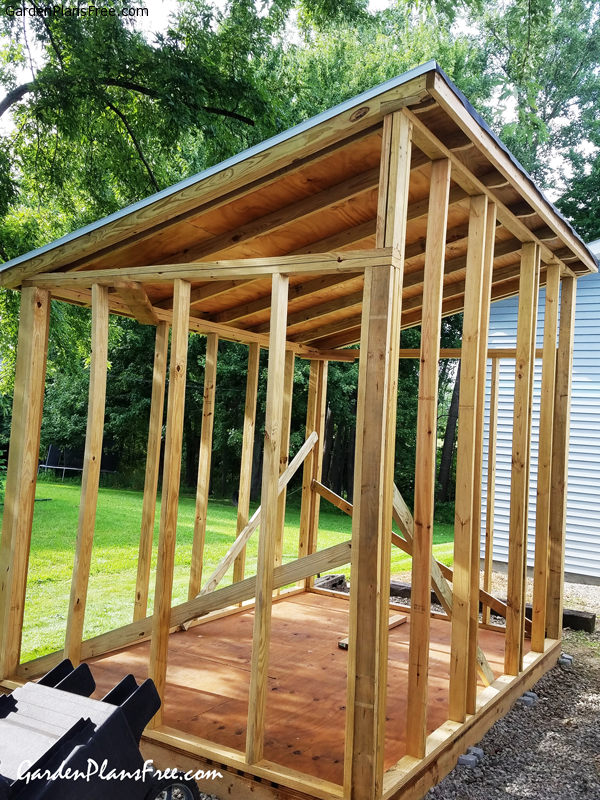
Share:

How to Build a Lean-To Shed: Simple Guide for DIY Enthusiasts

How to Build a Lean-To Shed: Simple Guide for DIY Enthusiasts

How to Build a Lean-To Shed: A Simple Guide for DIY Enthusiasts

Hey there, fellow DIYers! So you're thinking about building a lean-to shed? Fantastic! It's a rewarding project that's surprisingly doable, even for beginners. This guide will walk you through the entire process, from planning to the final touches, in a way that's easy to understand and follow. Let's get started!

1. Planning Your Lean-To Shed: Measure Twice, Cut Once (and then some!)

Before you even think about grabbing a hammer, you need a solid plan. This isn't rocket science, but a little forethought will save you headaches (and potentially materials) down the line.

1.1 Determining Size and Location:

First things first: how big do you want your shed? Consider what you'll be storing. A small lean-to for gardening tools needs less space than one for storing lawnmowers and bicycles. Also, think about the location. You'll need a sturdy, level wall to lean your shed against. Is there sufficient sunlight for proper ventilation? Consider drainage as well. You don’t want a flooded shed.

1.2 Gathering Your Materials:

This is where a detailed list is your best friend. Don't just wing it! A trip to the hardware store mid-project because you forgot something is incredibly frustrating. You'll need:

  • Pressure-treated lumber for the frame (consider 4x4 posts and 2x4s for the framing, depending on size and load-bearing requirements)
  • Plywood or OSB for the walls and roof
  • Roofing material (metal roofing is popular for lean-tos due to durability and ease of installation)
  • Nails, screws, and a good quality hammer and drill
  • Level, measuring tape, saw (circular saw is ideal, but a handsaw works too)
  • Post hole diggers (if setting posts in the ground)
  • Concrete mix (if setting posts in the ground)
  • Optional: Window(s), door, paint or stain for added protection and aesthetics.

1.3 Permits and Regulations:

Check your local building codes and regulations. Depending on the size and location of your lean-to, you might need a permit. It's always better to be safe than sorry! Ignoring regulations could lead to fines or even having to tear down your shed.

2. Building the Frame: The Foundation of Your Lean-To

With your materials gathered and your plan in hand, it's time to build the frame. This is the backbone of your shed, so take your time and ensure everything is square and level.

2.1 Preparing the Base:

If you’re attaching your lean-to directly to an existing structure, you'll need to create a strong connection. Consider using sturdy brackets and ensure a solid base to avoid any future problems. If setting posts in the ground, dig holes, set the posts, and fill with concrete, allowing it to cure fully before proceeding.

2.2 Constructing the Frame:

Using your 4x4's and 2x4's, construct the frame based on your measurements. Remember to check constantly with your level to ensure everything stays square. Start by building the sides, then connect them with the top and bottom framing members. It's like building a really simple rectangular box.

2.3 Attaching to the Existing Structure:

Carefully attach your lean-to frame to the existing structure, using strong brackets and screws. Ensure that the connection is robust enough to withstand wind and other weather conditions.

3. Sheathing and Roofing: Protecting Your Investment

Now that the frame is complete, it's time to add the sheathing and roofing. This protects your belongings from the elements and gives your shed a finished look.

3.1 Installing the Sheathing:

Attach your plywood or OSB sheathing to the frame, ensuring a tight fit. Use appropriate fasteners and ensure even spacing between the sheets. This forms the walls of your lean-to.

3.2 Adding the Roofing:

Roofing is where things get a bit more nuanced. Measure carefully and ensure your chosen roofing material is appropriate for the shed's size and anticipated weather conditions. Metal roofing is often easiest for lean-tos due to its lightweight nature and relatively easy installation. Remember to account for appropriate overhang for water runoff and protection. Use strong fasteners.

4. Finishing Touches: Adding the Extras

You've come this far; it's time to add the finishing touches to make your lean-to shed truly your own!

4.1 Doors and Windows:

If you planned on installing a door or windows, this is the time to do it. Follow manufacturer instructions, ensuring proper seals and framing.

4.2 Paint or Stain:

A coat of paint or stain adds protection from the elements and gives your shed a more polished look. Choose a weather-resistant product appropriate for your climate.

5. Safety First!

Throughout this entire process, remember safety! Always wear appropriate safety gear, including safety glasses and work gloves. Use caution with power tools, and never work alone on a project of this size. If you are uncomfortable with any part of the process, seek assistance from a more experienced DIYer.

Commonly Asked Questions

Q: How long does it take to build a lean-to shed?

A: The time it takes depends on your experience and the size of the shed. Expect to spend anywhere from a weekend to a couple of weeks, especially for beginners.

Q: How much does it cost to build a lean-to shed?

A: The cost varies greatly depending on the size, materials used, and any additional features. You can build a basic lean-to for a few hundred dollars, but more elaborate designs can cost significantly more.

Q: Do I need any special tools?

A: A circular saw, drill, level, and measuring tape are highly recommended. However, many of the tasks are achievable with hand tools if necessary.

Q: Can I build a lean-to shed against any wall?

A: No. The wall needs to be sturdy enough to support the weight of the shed. Avoid attaching to walls that are structurally unsound.

Q: What if I make a mistake?

A: Don't panic! Mistakes happen. Take a deep breath, assess the situation, and figure out the best way to correct the error. Sometimes it's as simple as removing a few screws and starting again.

Building a lean-to shed is a fantastic project that combines planning, skill, and a touch of creativity. With a little patience and attention to detail, you'll have a beautiful and functional addition to your property in no time. Happy building!

Share:

DIY Wooden Pallet Shed Plans: Build a Backyard Shed from Recycled Materials

DIY Wooden Pallet Shed Plans: Build a Backyard Shed from Recycled Materials

DIY Wooden Pallet Shed Plans: Build a Backyard Shed from Recycled Materials

Tired of clutter overflowing your garage? Dreaming of a charming backyard shed but dreading the hefty price tag? Then prepare to be inspired! This guide will walk you through building your own rustic, functional, and eco-friendly shed using repurposed wooden pallets. You’ll transform discarded materials into a valuable addition to your property, saving money and reducing your environmental footprint. Get ready to roll up your sleeves and unleash your inner builder!

Gathering Your Materials: The Foundation of Your Pallet Shed

Before you begin hammering nails, meticulously gather your materials. This stage sets the stage for a successful build. You'll need a significant number of wooden pallets â€" aim for at least 20-30, depending on your desired shed size. Inspect each pallet carefully; select only those that are sturdy, free from rot, and relatively clean. Discarded pallets from construction sites or local businesses are a fantastic, free resource. Supplement your pallet collection with these essential items:

  • Heavy-duty screws: Opt for galvanized screws for weather resistance.
  • Post anchors or concrete: To secure the base firmly to the ground.
  • Plywood or OSB sheeting: For roofing and wall infill where needed.
  • Roofing felt or shingles: To protect your shed from the elements.
  • Exterior-grade paint or stain (optional): To enhance the aesthetic appeal and longevity of your shed.
  • Safety equipment: Safety glasses, work gloves, and a sturdy pair of work boots are essential.

Remember to accurately measure your desired shed dimensions before embarking on the materials-gathering process. This planning phase prevents costly mistakes and ensures you have enough materials to complete the project. Consider sketching a simple design beforehand to visualize your final product.

Building the Frame: Constructing a Strong and Stable Structure

Laying the Foundation: A Solid Base for Your Shed

Begin by preparing a level base for your shed. This is crucial for stability and longevity. You can either create a concrete slab or use pressure-treated lumber to construct a raised platform. Ensure the base is larger than your planned shed dimensions to provide adequate support. Once your foundation is secure, you're ready to build the frame!

Assembling the Pallet Walls: Creating the Shed's Shell

Carefully dismantle the pallets, separating the usable planks. Inspect each plank for damage and discard any unusable pieces. Then, use these planks to construct the shed's walls. You can create vertical or horizontal wall sections depending on your preference and the existing pallet configurations. Secure the planks using heavy-duty screws and reinforce the corners for added strength. This section requires precision and patience for optimal results.

Constructing the Roof: Sheltering Your Shed from the Elements

The roof structure is pivotal for protecting your belongings. You can construct a simple gable or shed roof using the remaining pallet wood and plywood or OSB sheeting for support. Ensure proper overhang to prevent water damage. After framing the roof, add your chosen roofing materialâ€" roofing felt or shinglesâ€" securing it with nails or screws. Consider adding a layer of waterproof membrane beneath the roofing for enhanced protection.

Finishing Touches: Enhancing the Aesthetics and Functionality of Your Pallet Shed

Once the main structure is complete, add the finishing touches to personalize and enhance the functionality of your shed. This could involve adding a door, windows (cut into the pallet walls or made separately), and even shelving. Apply a protective layer of paint or stain to enhance the appearance and prolong the life of your shed. Consider adding hinges, a latch, and a handle to your door. Lastly, enjoy your new, unique, and budget-friendly backyard storage solution â€" built entirely from recycled materials!

Remember, safety is paramount! Wear appropriate safety gear throughout the entire process. If you're unsure about any aspect of the construction, don't hesitate to seek help from a more experienced DIY enthusiast or a qualified builder.

Share:

Step-by-Step Lean-To Shed Build: How to Create an Outdoor Shed

Step-by-Step Lean-To Shed Build: How to Create an Outdoor Shed

Building Your Dream Lean-To Shed: A Step-by-Step Guide

Hey there, fellow DIY enthusiasts! So you're thinking of building a lean-to shed? Awesome! It's a fantastic project that’s both rewarding and surprisingly doable, even if you’re not a seasoned builder. This guide will walk you through the whole process, from initial planning to the final celebratory beer (or iced tea, whatever your poison is!). Let’s get started!

Phase 1: Planning and Preparation - Laying the Groundwork (Literally!)

Before you even think about touching a hammer, some serious planning is needed. This phase is crucial for avoiding headaches down the line.

1.1 Choosing Your Location

Where will your magnificent shed reside? Consider these factors:

  • Accessibility: Will you have easy access to bring in materials and later, your stuff?
  • Sunlight: Do you need a sunny spot or a shadier one?
  • Ground Conditions: Is the ground level and stable? You might need to level it.
  • Proximity to utilities: Are you near a power source if you plan on electricity? Think about water drainage too.
  • Local regulations: Check your local building codes and permits â€" you might need one!

1.2 Designing Your Shed

Sketch out your shed's dimensions. How big do you need it? Consider the size of your tools and equipment. Remember, bigger isn't always better; a smaller, well-organized shed is often more practical. Think about the height â€" you want enough headroom to comfortably move around. You can find tons of free lean-to shed plans online for inspiration, but feel free to adapt them to your specific needs!

1.3 Gathering Your Materials

This is where a detailed materials list comes in handy. I recommend making a spreadsheet! Here's a general list; the exact quantities will depend on your shed's dimensions:

  • Pressure-treated lumber: For the frame, posts, and supports.
  • Plywood or OSB: For the walls and roof.
  • Roofing material: Asphalt shingles, metal roofing, or even tar paper are options.
  • Concrete blocks or piers: For the foundation (unless you're going for a simpler, directly-on-ground build).
  • Fasteners: Nails, screws, and possibly bolts.
  • Tools: Measuring tape, saw (circular saw is handy), hammer, level, shovel, post hole digger (if needed).
  • Safety gear: Safety glasses, work gloves, and sturdy boots.

Phase 2: Construction - Let's Build!

Now for the fun part! Remember safety first, always!

2.1 Preparing the Foundation

This will depend on your design and ground conditions. For a simple lean-to, you might get away with a level ground and some weed barrier. For a more robust structure, a concrete slab or pier foundation is recommended. This ensures stability and longevity.

  • Level the ground: Use a shovel and rake to level the area.
  • Set the posts/piers: Dig holes (if needed) for your foundation posts, ensuring they are level and plumb. Use concrete to secure them.
  • Add a gravel base (optional): If you’re building directly on the ground, a gravel base provides better drainage.

2.2 Framing the Structure

This is where your measurements and plans become crucial. Build the main frame using pressure-treated lumber. Start with the base plates, then the wall studs (if applicable), and finally the rafters for the roof. Make sure everything is square, level, and plumb! Double-checking your measurements throughout this stage is absolutely essential. A simple mistake here can throw off the whole project!

2.3 Sheathing and Roofing

Once the frame is complete, it's time to add sheathing. This will provide a solid surface for your roofing material. Attach plywood or OSB sheets to the walls and roof frame. Make sure to use appropriate fasteners and seal any gaps to prevent leaks.

Roofing is the next step. Lay down your chosen roofing material according to the manufacturer's instructions. This can be a little tricky, but take your time, and remember that a well-done roof is critical to protecting your shed.

2.4 Finishing Touches

Once the roof is on, you can add the finishing touches. This might include adding trim, doors, windows (if desired), and painting or staining the exterior. Consider adding some shelving or other interior features to make your shed truly functional.

Phase 3: Finishing Up and Enjoying Your New Shed!

Congratulations! You've built your lean-to shed! Take a moment to admire your handiwork. This is the moment you can pat yourself on the back and maybe enjoy that well-deserved celebratory beverage! But before you relax completely, there are a few final things to consider:

  • Clean up: Dispose of any leftover materials responsibly.
  • Inspect for leaks: Check your roof and walls for any leaks, especially after the first rain.
  • Secure your shed: Add a lock to prevent unauthorized access.

Commonly Asked Questions

Q: How long does it take to build a lean-to shed?

A: This depends on the size and complexity of your shed, as well as your experience level. A small, simple shed could take a weekend, while a larger, more complex one might take a week or more.

Q: Do I need a building permit?

A: Check your local building codes. Permits are often required for structures of a certain size or complexity.

Q: What kind of foundation do I need?

A: The best foundation depends on your soil conditions and the size of your shed. Options include a simple level ground, gravel base, concrete piers, or a concrete slab.

Q: What's the best roofing material for a lean-to shed?

A: Asphalt shingles are a common and relatively inexpensive option. Metal roofing is more durable but more expensive.

Q: Can I build a lean-to shed myself, even if I'm a beginner?

A: Absolutely! Start with a simple design, take your time, and don’t be afraid to ask for help when needed. Plenty of resources are available online and in your local hardware store.

Happy shedding!

Share:

Create a Simple Pallet Shed with These Easy DIY Instructions

Create a Simple Pallet Shed with These Easy DIY Instructions

Constructing a Simple Pallet Shed: A Comprehensive DIY Guide

This comprehensive guide details the construction of a simple yet functional pallet shed, ideal for storing garden tools, equipment, or other outdoor necessities. The project utilizes readily available reclaimed pallets, minimizing material costs and promoting sustainability. While requiring some basic carpentry skills, the instructions are detailed enough for competent DIY enthusiasts to successfully complete this project.

I. Planning and Preparation: Laying the Foundation for Success

Before commencing construction, meticulous planning is crucial to ensure a structurally sound and aesthetically pleasing shed. This phase involves several key steps:

A. Site Selection and Assessment

Choose a level, well-drained location for your shed. Consider factors such as sunlight exposure, proximity to power sources (if needed for future modifications), and accessibility. Ensure the chosen area is adequately sized to accommodate the completed shed and allow for comfortable working space during construction. Proper site preparation will prevent future complications and ensure the longevity of your structure.

B. Pallet Acquisition and Inspection

Source a sufficient quantity of reclaimed pallets. The number required will depend on the desired dimensions of your shed. Inspect each pallet for damage, rot, or infestation. Discard any pallets exhibiting significant deterioration. Prioritize pallets of consistent size and quality to simplify construction. Note: Ensure the pallets are free from any hazardous materials before use.

C. Material Gathering and Tool Preparation

Beyond pallets, you'll require additional materials: concrete blocks or a suitable foundation base, galvanized nails or screws, wood sealant or preservative, roofing material (e.g., corrugated metal, tarpaulin), and hinges and a latch for the door. Gather your tools, including a hammer or drill/driver, measuring tape, saw (circular saw recommended), safety glasses, work gloves, and level. A helper is recommended for larger and heavier components.

D. Shed Design and Dimensions

Determine the desired dimensions of your shed based on your storage needs and available space. A simple rectangular design is recommended for beginners. Sketch a plan outlining the layout, including the placement of the door and any internal shelving you intend to incorporate. Accurate measurements are vital to ensure a well-fitting structure. Consider creating a detailed scale drawing for improved accuracy.

II. Construction: Building the Shed Frame

This section outlines the steps to assemble the shed's frame, the fundamental structure upon which the rest of the shed will be built.

A. Foundation Preparation

Prepare the chosen site by leveling the ground. If necessary, excavate a shallow trench to create a level foundation. Place concrete blocks or your chosen base material to provide a stable foundation. Ensure the base is level using a level to prevent structural issues later. This step is crucial for preventing uneven settling and potential damage to the shed over time.

B. Assembling the Base

Construct the base of the shed by laying out pallets side-by-side, creating a rectangular frame that matches your desired dimensions. Secure the pallets together using galvanized nails or screws. Ensure the joints are tightly fitted and aligned. Use additional bracing, if necessary, to enhance the base's stability and rigidity.

C. Constructing the Walls

Erect the walls using additional pallets, attaching them to the base using nails or screws. For taller walls, you may need to stack pallets vertically, securing them with additional bracing. Ensure vertical alignment to create a level and square structure. Consider using strong supports to strengthen corners for greater stability.

D. Integrating the Door

Cut an opening for the door in one of the walls using a saw. Ensure the opening is appropriately sized for easy access. Attach hinges to the door frame and the wall, allowing for smooth opening and closing. Secure a latch or locking mechanism to complete the door assembly. Accurate measurements and careful cutting are essential to prevent issues with door alignment.

III. Roofing and Finishing Touches

The final stage involves installing the roof and implementing aesthetic and functional enhancements.

A. Roof Construction

Construct the roof frame using additional pallets or lumber. The roof design can be simple, such as a single-pitched or gable roof. Secure the roof frame to the walls. Cover the roof with your chosen roofing material, ensuring it is securely attached and weatherproof. Consider using tar paper or underlayment beneath the roofing material for added waterproofing and insulation.

B. Sealing and Weatherproofing

Apply a wood sealant or preservative to all exposed wood surfaces. This step protects the pallets from moisture damage, extending the shed's lifespan. Apply multiple coats for optimal protection. Allow sufficient drying time between coats as indicated by the manufacturer's instructions.

C. Internal Modifications

Add shelving or other interior features as needed. This can enhance the shed's storage capacity and organization. Securely attach any additional structures to prevent shifting or damage. Use appropriate materials to ensure compatibility with the existing pallet structure.

IV. Safety Precautions and Maintenance

Always prioritize safety during construction. Wear appropriate safety gear, including safety glasses and work gloves. Use caution when operating power tools. Regular maintenance will prolong the shed's lifespan. Inspect the structure periodically for any signs of damage or deterioration. Address any issues promptly to prevent further damage. Periodically reseal the wood to maintain its weather resistance.

By following these detailed instructions, you can successfully construct a functional and aesthetically pleasing pallet shed. Remember to prioritize safety and meticulous planning throughout the construction process. Enjoy your new storage solution!

Share:

How to Build a Lean-To Shed DIY: Simple and Budget-Friendly Plans

How to Build a Lean-To Shed DIY: Simple and Budget-Friendly Plans

Constructing a Budget-Friendly Lean-To Shed: A Comprehensive DIY Guide

This comprehensive guide provides detailed instructions for constructing a lean-to shed, a cost-effective and practical addition to any property. The design emphasizes simplicity and affordability, making it an achievable project even for novice DIY enthusiasts. Careful planning and execution are key to a successful build, and this guide aims to equip you with the necessary knowledge and steps for a structurally sound and aesthetically pleasing result.

Phase 1: Planning and Preparation

Before commencing any construction, thorough planning is crucial. This phase focuses on defining the shed's dimensions, selecting appropriate materials, and obtaining any necessary permits.

1.1 Defining the Shed's Dimensions and Purpose

The dimensions of your lean-to shed will be largely determined by its intended purpose and the available space against your existing structure (house, garage, fence etc.). Consider the following:

  • Length: Determine the desired length based on the amount of storage needed.
  • Width: The width will typically be dictated by the length of the supporting wall.
  • Height: The height at the peak should allow comfortable access and sufficient headroom inside the shed.
  • Intended Use: The intended use will influence material selection and construction details (e.g., storing garden tools requires less robust construction than storing heavier equipment).

Create detailed sketches or utilize free online shed design tools to visualize your project and refine the dimensions.

1.2 Material Selection and Procurement

Choosing the right materials is critical for both cost-effectiveness and durability. Prioritize cost-effective yet durable materials. Consider the following:

  • Framing Lumber: Pressure-treated lumber is essential for ground contact to prevent rot. Select appropriate dimensions based on your shed's size and local building codes.
  • Sheathing: Oriented Strand Board (OSB) or plywood are common choices for sheathing. Consider the thickness based on your climate and the potential for snow load.
  • Roofing: Asphalt shingles are a popular and affordable roofing option. Consider the slope of your roof when selecting shingles.
  • Siding: Choose a siding material that complements your existing structures and provides adequate protection from the elements. Vinyl siding is a cost-effective and low-maintenance option.
  • Fasteners: Galvanized nails and screws are essential for preventing rust and ensuring durability. Use appropriate sizes for your materials.

1.3 Obtaining Necessary Permits

Check with your local building department to determine if you need a permit for your lean-to shed. Permit requirements vary by location and the size of the structure. Failing to obtain necessary permits can result in fines or the need for demolition.

Phase 2: Foundation and Framing

This phase focuses on constructing a solid foundation and the framing of the shed's walls and roof.

2.1 Foundation Construction

For a simple lean-to shed, a gravel base or concrete slab foundation may suffice. A gravel base is the most economical option. Begin by leveling the ground and excavating to a depth of approximately 4 inches. Then, compact a layer of gravel, creating a level base. For added stability, consider using landscape fabric underneath the gravel to prevent weed growth. A concrete slab offers greater stability but requires more effort and cost.

2.2 Wall Framing

Construct the wall frames using pressure-treated lumber. The framing should be sturdy and aligned perfectly. Cut the lumber to the appropriate lengths and assemble the frames using appropriate fasteners. Ensure that the frames are plumb and square before proceeding.

2.3 Roof Framing

The roof framing consists of rafters that connect to the supporting wall and the ridge board. Calculate the rafter lengths accurately to ensure a proper slope for water runoff. Use a level and square to ensure the rafters are properly aligned and secured. Consider adding a ridge board for increased strength and stability.

Phase 3: Sheathing, Roofing, and Siding

This phase focuses on covering the framed structure with sheathing, roofing, and siding.

3.1 Sheathing Installation

Install the OSB or plywood sheathing over the framed walls and roof. Ensure proper alignment and secure the sheathing using nails or screws. Use construction adhesive for added strength and weather resistance.

3.2 Roofing Installation

Install underlayment on top of the roof sheathing for added waterproofing. Then, install the asphalt shingles according to the manufacturer’s instructions. Ensure proper overlap to prevent leaks.

3.3 Siding Installation

Install the chosen siding material over the sheathed walls. Ensure proper alignment and use appropriate fasteners. Follow the manufacturer's instructions for specific installation techniques.

Phase 4: Finishing Touches and Safety Considerations

This final phase involves adding finishing touches and ensuring the safety of your new shed.

4.1 Door and Window Installation (Optional)

If you plan to include a door or windows, install them at this stage. Ensure proper alignment and sealing to prevent drafts and leaks.

4.2 Interior Finishing (Optional)

Consider adding interior finishes such as shelving, paint, or flooring depending on your needs and budget.

4.3 Safety Considerations

Always prioritize safety: Wear appropriate safety gear such as safety glasses, gloves, and hearing protection throughout the construction process. Use caution when working with power tools and follow all manufacturer's instructions. Ensure the shed is structurally sound and meets local building codes before using it for storage.

By following these steps and prioritizing careful planning and execution, you can successfully construct a lean-to shed that is both functional and cost-effective. Remember to always consult local building codes and obtain necessary permits before beginning your project. This detailed guide provides a foundation for your project, however, individual adaptations might be necessary based on your specific needs and resources.

Share:

Easy Basic Shed Plans for Beginners: Build Your First Shed

Easy Basic Shed Plans for Beginners: Build Your First Shed

Easy Basic Shed Plans for Beginners: Build Your First Shed

Building your first shed can feel daunting, but with the right plan and a little elbow grease, you can create a valuable addition to your property. This guide provides simple, step-by-step instructions for constructing a basic shed, perfect for beginners. We’ll focus on a straightforward design emphasizing ease of construction and readily available materials. Forget complex angles and intricate joinery; this project prioritizes simplicity and satisfaction.

Planning Your Shed Project

Before you even think about picking up a hammer, meticulous planning is crucial. Determine the shed’s purpose. Will it store gardening tools, bicycles, or something else? This dictates its size and features. Next, measure your chosen location carefully, ensuring sufficient space and considering access for delivery of materials. Draw a simple sketch illustrating the dimensions â€" length, width, and height. Finally, secure all necessary permits from your local authorities. Ignoring this step can result in costly fines and potential demolition.

Choosing the Right Materials

Opt for pressure-treated lumber for the foundation and framing to ensure longevity and resistance to rot and pests. Consider using standard dimensional lumber (2x4s and 2x6s) for ease of handling. For the roof, asphalt shingles offer a cost-effective and easy-to-install option. Remember to purchase all fasteners â€" nails, screws, and possibly bolts â€" in advance. Accurate quantity estimation prevents mid-project interruptions.

Building the Foundation

A solid foundation is the cornerstone of any successful shed build. We’ll use a simple concrete slab foundation. Begin by marking the perimeter of your shed on the ground. Then, excavate the area to a depth suitable for your local frost line (consult local building codes). Compact the soil thoroughly, and create a level base. Next, construct a formwork using plywood or treated lumber to contain the concrete. Finally, pour and level the concrete, allowing it ample time to cure completely before proceeding to the next stage. This curing period ensures the foundation's strength and stability.

Framing the Walls and Roof

Construct the wall frames using 2x4s, assembling them on the ground for easier handling. Use appropriate joinery techniques like butt joints reinforced with nails or screws. Once assembled, carefully lift and secure the wall frames onto the concrete foundation using anchors or concrete screws. Remember to check the plumbness of each wall using a level to ensure a square and stable structure. Construct the roof trusses (pre-made trusses are a great time saver for beginners) and carefully attach them to the top plates of the wall frames, ensuring proper alignment. Add roof sheathing (plywood) to create a solid surface for the shingles.

Sheathing and Roofing

Secure the roof sheathing (plywood) to the trusses using nails, ensuring they're properly aligned and fastened. Next, install your chosen roofing material (asphalt shingles), following the manufacturer's instructions carefully. Work from the bottom up, ensuring proper overlapping for watertightness. Proper ventilation is crucial to prevent moisture buildup, so remember to install vents as needed.

Adding the Doors and Finishing Touches

Install a pre-hung door for simplicity. This saves time and ensures a proper fit. Carefully measure and cut the opening in the wall frame to accommodate the door. Securely attach the door frame using appropriate fasteners. Add finishing touches like trim around the doors and windows, and consider adding paint or stain to protect the wood and enhance the aesthetic appeal. Consider adding a simple window for ventilation and light.

Essential Tools

Before you start, gather the necessary tools. This includes:

  • Measuring tape
  • Level
  • Shovel
  • Hammer
  • Drill
  • Saw (circular saw or hand saw)
  • Safety glasses
  • Work gloves

Building your first shed is a rewarding experience. While this guide provides a simplified approach, remember safety is paramount. Always wear appropriate safety gear and take your time. Don't rush the process. Enjoy the satisfaction of creating something tangible with your own hands!

Share:

DIY Pallet Shed: Free Plans for a Sustainable and Affordable Build

DIY Pallet Shed: Free Plans for a Sustainable and Affordable Build

DIY Pallet Shed: Free Plans for a Sustainable and Affordable Build

The allure of a functional, aesthetically pleasing outbuilding often clashes with budgetary constraints and environmental concerns. However, a resourceful approach employing readily available and sustainable materials can reconcile these seemingly conflicting goals. This comprehensive guide details the construction of a durable and cost-effective shed utilizing reclaimed pallets, a readily available and environmentally friendly resource. By following these free plans, you can transform discarded materials into a valuable addition to your property, minimizing environmental impact and maximizing personal savings.

I. Planning and Preparation: Laying the Foundation for Success

Before embarking on the construction process, meticulous planning is paramount. This phase involves several crucial steps that will significantly influence the project's outcome and overall success.

A. Site Selection and Assessment

The location of your pallet shed should be carefully chosen. Consider factors such as proximity to existing structures, access to utilities (if needed for future modifications), sunlight exposure, and drainage. Ensure the chosen site is level and provides adequate space for construction and future access. Local building codes and regulations should also be reviewed to ensure compliance with any zoning or permitting requirements.

B. Material Acquisition and Evaluation

Sourcing pallets is a crucial aspect of this project. Prioritize pallets that are free from significant rot, insect infestation, and excessive damage. Inspect each pallet for structural integrity before incorporating it into the build. Heat-treated pallets are preferable, as they are less likely to harbor harmful pests. It is advisable to obtain more pallets than initially estimated, as some may be deemed unsuitable during the construction process.

C. Tool and Equipment Checklist

A comprehensive list of necessary tools and equipment will ensure a smooth construction process. This includes, but is not limited to:

  • Measuring tape
  • Level
  • Hammer
  • Screwdriver (both Phillips and flathead)
  • Drill with various drill bits
  • Saw (circular saw or hand saw)
  • Safety glasses
  • Work gloves
  • Shovel (for ground preparation)
  • Post-hole digger (if using posts for foundation)
  • Concrete mix (if using a concrete base)
  • Leveling blocks or gravel (for foundation leveling)
  • Nail gun (optional, but highly recommended for speed and efficiency)

II. Foundation Construction: Establishing a Solid Base

A stable foundation is critical for the longevity and structural integrity of the shed. Several options exist depending on your budget and the nature of the soil.

A. Concrete Slab Foundation

This offers the most robust and level base. It involves excavating the site, creating a formwork, and pouring a concrete slab. Allow ample time for the concrete to fully cure before proceeding with the shed construction. This option necessitates more effort and material cost but offers superior stability.

B. Gravel Base Foundation

A more economical alternative, a gravel base involves leveling the ground and creating a layer of compacted gravel. This provides drainage and a relatively level surface for the shed's base. Consider using landscape fabric underneath the gravel to prevent weed growth. This method is suitable for well-drained soil.

C. Pressure-Treated Wood Post Foundation

For well-drained soil, pressure-treated wood posts set in concrete footings can provide a solid and relatively simple foundation. This requires digging post holes, setting the posts plumb, and filling the holes with concrete. This option requires less material than a concrete slab but provides a less level base.

III. Shed Construction: Assembling the Pallet Structure

With the foundation complete, the construction of the shed's walls and roof can commence. This section outlines the key steps involved in assembling the pallet structure.

A. Wall Construction

Pallet walls are constructed by carefully aligning and securing pallets vertically. Use screws or nails to connect pallets securely, ensuring vertical alignment and stability. Disassemble damaged pallets to acquire usable components for reinforcement or patching. Regularly check for plumbness using a level to maintain the structural integrity of the walls.

B. Roof Construction

The roof design can vary depending on preference and available materials. A simple gable roof is recommended for ease of construction. This might necessitate cutting and modifying some pallets to achieve the desired slope and overhang. Ensure adequate support for the roof structure to prevent sagging. Consider using additional lumber for reinforcement, particularly along the ridge and eaves.

C. Door and Window Installation

Pallet doors and windows can be created by modifying existing pallets or using salvaged materials. This may involve cutting and re-arranging pallet components to form a frame. Ensure proper sealing around the door and window openings to prevent drafts and moisture intrusion.

D. Securing and Finishing

Once the walls and roof are complete, secure the structure and address any gaps or weaknesses. Use additional bracing or reinforcement where necessary. Apply a sealant or weatherproof paint to protect the wood from the elements, extending the shed's lifespan and improving its aesthetic appeal. Consider adding a metal roof for added durability.

IV. Finishing Touches and Considerations

While the structural aspects are crucial, attention to detail enhances both the functionality and appearance of the finished shed.

A. Flooring

The choice of flooring depends on intended use. Options range from simple compacted gravel to plywood or even repurposed decking. Consider the need for moisture resistance and durability when selecting a flooring solution.

B. Insulation and Ventilation

Depending on the intended use of the shed, consider adding insulation to maintain a stable internal temperature. Adequate ventilation is essential to prevent moisture buildup and ensure air circulation.

C. Safety Considerations

Always prioritize safety throughout the construction process. Wear appropriate safety gear, such as gloves and safety glasses, and exercise caution when using power tools. Ensure the finished shed is structurally sound and meets local building codes.

Constructing a pallet shed offers a sustainable and budget-friendly alternative to traditional shed construction. By carefully following these plans and prioritizing safety, you can create a valuable and aesthetically pleasing addition to your property while promoting environmental responsibility. Remember to adapt these plans to your specific needs and available resources for a truly personalized project.

Share:

Step-by-Step Small Pallet Shed Plans for a Reliable Storage Solution

Step-by-Step Small Pallet Shed Plans for a Reliable Storage Solution

Step-by-Step Small Pallet Shed Plans for a Reliable Storage Solution

Tired of clutter overflowing your garage or garden? A small, sturdy shed can be the perfect solution, and building one from repurposed pallets offers a budget-friendly and eco-conscious approach. This step-by-step guide provides detailed plans for constructing a reliable and attractive pallet shed, perfect for storing garden tools, outdoor equipment, or even extra firewood. Get ready to transform those discarded pallets into a functional and aesthetically pleasing addition to your property!

Planning Your Pallet Shed

Before you begin hammering nails, meticulous planning ensures a smooth building process. First, determine the desired dimensions of your shed. Consider the space available and the items you plan to store. A compact design, roughly 4ft x 6ft, is ideal for a small-scale project and requires fewer materials. Next, source your pallets. Look for sturdy pallets made of pressure-treated lumber, ensuring they’re free of rot, damage, and any loose nails. Inspect each pallet carefully and discard any unsuitable ones. Finally, sketch a basic design outlining the walls, roof, and door. This blueprint will guide you throughout the construction, minimizing errors and maximizing efficiency.

Gathering Materials and Tools

Essential Materials

The beauty of this project lies in its simplicity; you'll primarily use reclaimed pallets. However, you'll need some supplementary materials to complete the structure. These include:

  • Concrete blocks or a suitable foundation: To elevate the shed off the ground.
  • Roofing materials: Tar paper, corrugated metal sheets, or even recycled shingles will suffice.
  • Exterior paint or sealant: To protect the wood and enhance the shed's appearance.
  • Hinges and a latch: For the shed door.
  • Screws and nails: For securing the pallets and other components.

Essential Tools

You'll need a basic set of tools readily available at most hardware stores. These include:

  • Hammer and pry bar: To dismantle and assemble the pallets.
  • Screwdriver (Phillips and flathead): For securing screws.
  • Drill with drill bits: For pilot holes and added stability.
  • Measuring tape and level: For accuracy and alignment.
  • Circular saw or hand saw: To cut pallets and other materials if necessary.
  • Safety glasses and gloves: To protect your eyes and hands from splinters and debris.

Construction Steps: Building Your Pallet Shed

Begin by dismantling your pallets carefully, removing any loose nails and ensuring the wood remains intact. Use a pry bar and hammer for this step, exercising caution. Then, assemble the walls, connecting the pallets vertically using screws for maximum strength. Use your pre-made design to guide your wall construction. After building the walls, construct the floor frame, again using the pallets and securing them firmly. Then you place the walls on the concrete blocks or foundation. Next, you'll build and attach the roof structure. Remember to ensure a sufficient overhang to protect the shed from rain. Finally, attach the door hinges and latch, adding a final coat of paint or sealant for weather protection. Your new pallet shed is ready to use!

Finishing Touches and Maintenance

Once your shed is complete, consider adding some finishing touches to enhance its functionality and aesthetics. This could include painting the exterior, adding shelves for improved storage, or installing a small window for ventilation. Regular maintenance is crucial to prolong the life of your shed. Periodically inspect the structure for any loose components and repair them promptly. Apply a fresh coat of paint or sealant every few years to protect the wood from the elements. By following these simple steps, you can enjoy a reliable and attractive storage solution for years to come.

Share:

Build a Pallet Shed: Affordable DIY Plans for Your Backyard

Build a Pallet Shed: Affordable DIY Plans for Your Backyard

Build a Pallet Shed: Affordable DIY Plans for Your Backyard

Hey there, fellow DIY enthusiasts! Are you staring at a cluttered backyard, wishing you had a little extra storage space? Do you love the rustic charm of reclaimed wood? Then building your own pallet shed might be the perfect project for you! Forget expensive pre-fabricated sheds â€" let's dive into how you can create a fantastic, functional, and surprisingly affordable storage solution using repurposed pallets.

This isn't some overly complicated project requiring years of carpentry experience. Believe me, even if you’re more “handy-with-a-hammer” than “master-craftsman,” you can totally tackle this. I'm going to walk you through it step-by-step, so don't worry if your tool collection currently consists of mostly duct tape and good intentions (though a few basic tools will definitely help!).

Planning Your Pallet Shed: Size and Location

Before you start gathering pallets, it’s crucial to plan. Think about what you’ll store in your shed. Need space for gardening tools? Lawn mowers? Holiday decorations that mysteriously multiply every year? This will help determine the size you need. A small shed might be perfect for just the essentials, while a larger one can accommodate more items.

Choosing the Right Location:

Consider these factors when picking the perfect spot for your pallet shed:

  • Accessibility: Will you need to easily access it with a wheelbarrow or lawnmower?
  • Level Ground: A flat surface will make construction much simpler.
  • Sunlight and Shade: Too much sun can damage stored items, while too much shade might lead to dampness.
  • Drainage: Ensure the area doesn't flood easily.
  • Local Regulations: Check your local building codes and HOA guidelines before you begin.

Gathering Your Materials: The Pallet Hunt Begins!

The beauty of a pallet shed is its affordability! The main ingredient? Free (or very cheap) pallets! But not just any pallets will do. Look for pallets in good condition. Avoid those that are heavily damaged, rotten, or treated with chemicals you don't want near your belongings.

Where to find them? Check with local businesses like grocery stores, construction sites, and even ask around your neighborhood. Many businesses are happy to give them away rather than pay for disposal.

Beyond Pallets: Essential Materials and Tools

Besides pallets, you'll need some additional materials and tools:

  • Foundation Materials: Concrete blocks, gravel, or a simple wooden base.
  • Screws/Nails/Bolts: Depending on your chosen method of assembly, you’ll need a variety of fasteners. Galvanized options are best for outdoor use.
  • Wood Glue: This will add strength and stability to your structure.
  • Hammer, Screwdriver (or drill/driver), Measuring Tape, Level, Saw: These are basic tools needed for construction. A circular saw or reciprocating saw will make cutting pallets much easier.
  • Safety Glasses and Gloves: Always prioritize safety!
  • Optional: Roofing felt, tarpaulin, or even inexpensive corrugated metal sheets for the roof to keep items dry.

Building Your Pallet Shed: A Step-by-Step Guide

Now for the fun part! Remember, this is a general guide; adapt it to your specific design and pallet dimensions. Let's break down the basic process:

Step 1: Preparing the Pallets

Inspect your pallets for loose nails or splinters, remove any, and carefully clean them up. You may want to sand down rough edges for safety and a nicer finish. Consider using a wood preservative or sealant for added protection against the elements.

Step 2: Building the Base/Floor

Create a level base for your shed using concrete blocks, gravel, or a simple wooden platform. This will prevent the structure from sitting directly on the ground and keep things dry.

Step 3: Assembling the Walls

Start assembling the walls by stacking and securing pallets vertically. You might need to cut some pallets to size to create the desired height. Use screws and/or wood glue for a strong bond. Make sure the walls are square and level as you go.

Step 4: Constructing the Roof

The roof is important for weather protection. You can create a simple gabled roof by using additional pallets, carefully cutting and attaching them to form a sloping surface. You'll want to ensure it’s sturdy enough to support any added weight from snow or rain. You can add roofing felt, tarpaulin, or metal sheets over the pallets for extra protection.

Step 5: Adding a Door

Leave a space for a door during the wall construction. You can build a simple door frame using more pallets or reclaimed lumber and hang a simple door. A hinged pallet or a piece of plywood works fine.

Finishing Touches: Personalization and Protection

Once your basic shed is complete, it’s time to personalize! Add a coat of paint or stain to enhance the aesthetic and protect the wood. Consider adding hinges, a latch, or even a small window for ventilation. You can even get creative with decorations to make it truly your own.

Frequently Asked Questions (FAQs)

Q: How long does it take to build a pallet shed?

A: This depends on the size and complexity of your design, but you could realistically complete a smaller shed in a weekend, while a larger one might take a few days or longer, depending on your experience.

Q: Are all pallets safe to use?

A: No. Avoid pallets marked with the IPPC stamp (HT or MB) as these are treated with chemicals. Look for untreated pallets for building a storage shed.

Q: How do I make the shed more weatherproof?

A: Adding roofing felt, a tarpaulin, or metal sheets to the roof is essential. You can also use a wood sealant or preservative on the pallets to protect them from moisture and rot.

Q: Can I use this for anything other than storage?

A: Absolutely! With some modifications, you can adapt the design to create a small workshop, a potting shed, or even a charming outdoor playhouse for the kids.

Q: What if I don't have any carpentry skills?

A: Don’t worry! This project is designed to be beginner-friendly. Take it slow, follow the steps carefully, and don’t hesitate to look for online tutorials and videos for extra guidance. It’s a learning experience, and the sense of accomplishment will be well worth the effort.

So there you have it! With a little planning, some creativity, and a lot of enthusiasm, you can build your own fantastic pallet shed. Get started today, and enjoy the satisfaction of a DIY project well done â€" and the extra storage space you’ve created!

Share:

Maximize Space in Your Yard with These 6x8 Gable Shed Plans

Maximize Space in Your Yard with These 6x8 Gable Shed Plans

Maximize Space in Your Yard with These 6x8 Gable Shed Plans

A 6x8 gable shed offers a surprising amount of storage space, perfect for a variety of uses. Whether you need to store gardening equipment, outdoor furniture, or simply declutter your home, a well-designed shed can significantly enhance your property's functionality and aesthetic appeal. This comprehensive guide provides detailed plans and considerations for constructing your own 6x8 gable shed, maximizing its utility and longevity.

Understanding the Advantages of a 6x8 Gable Shed

The dimensions of a 6x8 shed represent a sweet spot in terms of practicality and footprint. It's large enough to be genuinely useful, yet compact enough to fit comfortably in most yards without overwhelming the landscape. The gable roof design, characterized by its triangular shape, offers several key advantages:

Increased Headroom and Interior Space

The peaked roof of a gable shed provides ample headroom, making it easier to move around inside and store taller items. This is significantly superior to a shed with a flat or lean-to roof, which tends to have limited vertical space.

Enhanced Weather Resistance

The sloped design of a gable roof allows for efficient water runoff, reducing the risk of water damage and leaks. This contributes to the overall durability and longevity of the shed, protecting its contents from the elements.

Improved Ventilation

The gable design naturally encourages air circulation within the shed, helping to prevent the buildup of moisture and mildew. This is crucial for preventing damage to stored items and maintaining a dry and healthy interior environment.

Detailed 6x8 Gable Shed Plans: Foundation and Framing

Constructing a sturdy and functional 6x8 gable shed requires careful planning and execution. Below are detailed instructions for the foundation and framing stages.

Foundation Construction: Preparing the Ground

The foundation forms the bedrock of your shed, ensuring stability and preventing settling. Options include a concrete slab, gravel base, or pressure-treated lumber base. For a 6x8 shed, a gravel base or pressure-treated lumber base often offers a cost-effective solution. Begin by clearing the area and leveling the ground thoroughly. If using gravel, create a 4-inch deep base, compacting it firmly. For a lumber base, construct a frame from pressure-treated 4x4 lumber, ensuring a level and square foundation.

Framing the Walls and Roof: Precise Measurements are Crucial

Framing forms the structural skeleton of your shed. Use pressure-treated lumber for the base plates and floor joists, and standard lumber for the wall studs and roof rafters. Precise measurements are critical at this stage to ensure a structurally sound and aesthetically pleasing shed. For the walls, use 2x4 studs spaced 16 inches on center. For the roof, calculate the rafter length based on the desired roof pitch and ensure proper overhang. Consider using a rafter square to accurately determine cuts. Always double-check your measurements before making any cuts.

Sheathing and Roofing: Protecting Your Investment

Once the framing is complete, apply sheathing to the walls and roof. Oriented strand board (OSB) or plywood are common choices. Properly fasten the sheathing to the framing for maximum structural integrity. Next, install the roofing material. Asphalt shingles are a cost-effective and widely available option. Ensure proper overlap and secure fastening to protect the shed from the elements. Remember to use appropriate flashing around vents and other penetrations to prevent leaks.

Essential Features to Maximize Space and Functionality

Even a small 6x8 shed can be highly functional with careful planning. Incorporating certain features will maximize your storage space and overall usability.

Interior Shelving and Organization

Maximize vertical space by installing shelving units. Consider the types of items you'll be storing to determine the optimal shelving height and configuration. Adjustable shelving offers flexibility, while fixed shelving can provide a more robust solution for heavier items. Use clear storage bins to keep things organized and easily accessible.

Door Placement and Size

Strategic door placement is crucial. A single door on the narrow side offers maximum wall space for shelving, while a double door on the longer side provides easier access for larger items. Consider the size and weight of the items you will be moving in and out of the shed when selecting the door size.

Ventilation and Lighting

Adequate ventilation prevents moisture buildup, crucial for preserving stored items. Include vents near the roofline and potentially at the base of the walls. Consider installing a window to improve natural light and ventilation. Supplement this with artificial lighting for evening use. Solar-powered LED lights are an environmentally friendly and cost-effective option.

Workbenches and Hooks

Depending on intended use, incorporating a small workbench can transform your shed into a practical workshop or hobby space. Installing hooks on the walls provides extra storage for tools and other small items, freeing up valuable shelf space.

Choosing the Right Materials: Durability and Cost-Effectiveness

Material selection significantly impacts the shed's longevity and overall cost. Careful consideration of material properties and cost-effectiveness is essential.

  • Pressure-treated lumber: For foundation and framing, pressure-treated lumber offers superior resistance to rot and insect damage, ensuring a long lifespan. This is a worthwhile investment for long-term durability.
  • OSB or plywood: Both are suitable sheathing materials offering good strength and cost-effectiveness. Choose the appropriate thickness based on local building codes.
  • Asphalt shingles: A cost-effective and readily available roofing material suitable for a 6x8 shed. Consider the color to complement your home and landscape.
  • Exterior paint or stain: Adding a protective coat enhances the shed's longevity and improves its aesthetic appeal. Choose a weather-resistant product suitable for exterior use.
  • Permitting and Safety Considerations

    Before starting construction, check with your local authorities regarding building permits and regulations. Adhering to local codes ensures your shed meets safety standards and avoids potential legal issues. Always prioritize safety during the construction process. Wear appropriate safety gear, including eye protection, gloves, and hearing protection. Use proper lifting techniques and ensure the stability of the structure at each stage of construction.

    Following these detailed plans and considerations will allow you to construct a functional and durable 6x8 gable shed, maximizing the usable space in your yard and enhancing both its practicality and aesthetic appeal. Remember that careful planning and execution are key to a successful project.

    Share:

    Maximize Your Garden Storage with 8x6 Wood Shed Plans

    Maximize Your Garden Storage with 8x6 Wood Shed Plans

    Maximize Your Garden Storage with 8x6 Wood Shed Plans

    The humble garden shed, often overlooked, is a cornerstone of efficient gardening and property management. An adequately sized and well-designed shed provides invaluable storage for tools, equipment, fertilizers, and seasonal items, keeping your garden organized and your workspace clutter-free. This comprehensive guide explores the benefits and practical considerations of constructing an 8x6 wood shed, providing detailed insights into planning, construction, and maximizing its storage potential.

    The Advantages of an 8x6 Wood Shed

    An 8x6 foot shed offers a compelling balance between practicality and footprint. It's large enough to accommodate a significant amount of garden equipment and supplies, yet compact enough to fit comfortably in most garden spaces without overwhelming the aesthetic appeal of your landscaping. Its relatively small size also simplifies the construction process, making it a feasible DIY project for many homeowners.

    Ample Storage Capacity

    Despite its compact dimensions, an 8x6 shed can comfortably house a surprising array of garden essentials. Proper shelving and organizational strategies can maximize its storage capacity, accommodating everything from gardening tools and fertilizers to potting soil, seeds, and seasonal decorations. This centralized storage prevents clutter and allows for easy access to necessary items.

    Cost-Effectiveness

    Compared to larger shed sizes, an 8x6 wood shed requires less material, reducing overall construction costs. The smaller footprint also translates to lower foundation costs, further enhancing its affordability. This makes it an excellent budget-friendly solution for homeowners seeking practical storage without exorbitant expenses.

    Ease of Construction

    The relatively small size of an 8x6 shed simplifies the construction process, making it a manageable DIY project even for those with limited construction experience. Detailed plans and readily available materials contribute to its ease of construction, reducing the need for specialized tools or expertise.

    Planning Your 8x6 Wood Shed

    Careful planning is crucial for a successful shed construction. This involves several key considerations that impact both the structural integrity and the functionality of your shed.

    Choosing the Right Location

    Selecting the optimal location is paramount. Consider factors such as accessibility, proximity to power sources (if needed for lighting or electric tools), sunlight exposure (for natural ventilation and drying), and the overall aesthetic integration with your landscape. Ensure the chosen location allows for easy access and doesn’t obstruct walkways or other features.

    Obtaining Necessary Permits

    Before commencing construction, it's essential to check with your local authorities regarding building permits and regulations. Permit requirements vary depending on location and shed specifications. Failure to obtain the necessary permits can result in fines or legal complications.

    Selecting Materials

    The choice of materials directly affects the durability, longevity, and aesthetic appeal of your shed. Pressure-treated lumber is highly recommended for its resistance to rot, decay, and insect infestation. Consider using high-quality roofing materials for protection against the elements. Hardware, such as screws, hinges, and locks, should be weather-resistant and durable.

    Designing for Optimal Storage

    Efficient storage planning is crucial for maximizing the shed’s functionality. Consider incorporating features such as:

    • Shelving: Adjustable shelving maximizes vertical space and allows for customization based on your storage needs.
    • Workbenches: A sturdy workbench provides a dedicated space for tasks such as potting plants or repairing tools.
    • Hooks and Pegboards: These are ideal for hanging tools and other small items, keeping them organized and easily accessible.
    • Cabinets: For storing smaller items that require protection from the elements or require more secure storage.
    • Windows: Well-placed windows enhance natural light and ventilation, improving the overall usability of the space.

    Constructing Your 8x6 Wood Shed

    The construction process involves several key steps. While detailed instructions are beyond the scope of this article, a general overview is provided to illustrate the process:

    Foundation Preparation

    A solid foundation is essential for the structural integrity of your shed. Options include concrete slabs, gravel pads, or wooden platforms. The chosen foundation should be level and adequately sized to support the weight of the shed.

    Framing the Walls and Roof

    Construct the wall and roof frames according to your chosen plans. Ensure accurate measurements and proper alignment for a structurally sound shed. Use appropriate fasteners and bracing for added stability.

    Sheathing and Siding

    Apply sheathing to the walls and roof frames, providing a solid base for the exterior siding. Choose durable siding material that complements the overall aesthetic of your property. Proper sealing and weatherproofing are essential at this stage.

    Roofing and Finishing Touches

    Install the roofing material, ensuring a waterproof and weather-resistant seal. Add finishing touches, such as painting or staining, to enhance the shed’s appearance and protect the wood from the elements. Install doors, windows, and any internal fixtures.

    Maximizing Storage Space within Your 8x6 Shed

    Once constructed, the real challenge begins: optimizing the interior space for maximum storage capacity. This requires strategic planning and the implementation of clever storage solutions.

    Vertical Space Utilization

    Maximize vertical space by installing shelving units that reach the ceiling. This allows for the storage of less frequently used items higher up, while keeping frequently used items at a more accessible height.

    Multi-Functional Furniture

    Consider using multi-functional furniture pieces like a workbench with integrated drawers or shelving units with built-in storage compartments. This maximizes space efficiency while providing additional storage capacity.

    Organized Storage Solutions

    Employing clear bins, labeled shelves, and organizing tools can significantly improve the functionality and accessibility of your shed. This will prevent clutter and make it easy to find specific items.

    Wall-Mounted Storage

    Utilize wall space with pegboards, hooks, and hanging organizers. This is especially useful for storing tools, gardening gloves, and other small items, keeping them easily accessible and preventing them from getting lost in cluttered shelves.

    By carefully planning and constructing your 8x6 wood shed, and implementing effective storage strategies, you can create a highly functional and organized space for all your gardening needs, thereby enhancing both the efficiency and enjoyment of your gardening endeavors.

    Share:

    Building a 6x8 Shed: A Complete Materials List for Beginners

    Building a 6x8 Shed: A Complete Materials List for Beginners

    Building a 6x8 Shed: A Complete Materials List for Beginners

    Ready to tackle your first DIY project? Building a 6x8 shed is a fantastic way to gain valuable construction experience while adding practical storage space to your property. This guide provides a comprehensive materials list, breaking down the process into manageable steps for beginners. We'll cover everything you need, from the foundation to the final roofing shingles, ensuring you're well-prepared before you even pick up a hammer.

    Foundation: Setting a Solid Base

    Your shed's foundation is crucial for stability and longevity. A simple concrete slab is ideal for a 6x8 structure. You'll need to excavate the area, add gravel for drainage, and then pour the concrete. Consider using rebar for reinforcement. Remember to level the ground meticulously for a perfectly square structure. Don't rush this step; a strong foundation prevents future problems.

    Materials for the Foundation:

    • Concrete Mix: Calculate the cubic yards needed based on the desired slab thickness (typically 4 inches).
    • Gravel: Enough to create a 2-inch base layer.
    • Rebar: Use appropriate gauge and length for reinforcement.
    • Wooden Forms (optional): To contain the concrete pour and create clean edges.
    • Level: A long level is essential for ensuring a perfectly flat surface.

    Framing: The Shed's Skeleton

    The framing forms the structural integrity of your shed. You'll need pressure-treated lumber for the floor joists, sill plates, wall studs, and rafters. Accurate cutting and proper assembly are key here. Using a speed square and measuring tape will ensure your angles and cuts are precise. Don't forget to add bracing for extra stability, especially in windy areas.

    Materials for Framing:

    • Pressure-treated Lumber: 4x4 posts for corners, 2x4s for studs, floor joists, and rafters, 2x6s for sill plates (consider using pressure treated for longevity).
    • Joist Hangers: Securely fasten floor joists to the sill plate.
    • Simpson Strong-Tie connectors (optional): Enhance structural integrity at critical connections.
    • Nails: Various sizes, including framing nails and roofing nails.
    • Wood Screws: For added strength in crucial areas.
    • Level and Measuring Tape:
    • Speed Square: For accurate cuts.

    Sheathing and Roofing: Protecting Your Investment

    Once the framing is complete, you'll add sheathing to the walls and roof. Oriented Strand Board (OSB) is a cost-effective and durable option. For the roof, you'll need roofing felt and asphalt shingles. Remember proper ventilation is crucial to prevent moisture buildup. Carefully apply the underlayment before attaching the shingles. Pay close attention to overlapping shingles for a watertight seal.

    Materials for Sheathing and Roofing:

    • OSB Sheathing: Sufficient amount to cover walls and roof.
    • Roofing Felt (underlayment): A waterproof barrier beneath the shingles.
    • Asphalt Shingles: Choose a style and color that complements your property.
    • Roofing Nails:
    • Ridge Cap Shingles:
    • Starter Shingles:

    Doors and Trim: Adding the Finishing Touches

    Finally, install your shed door and add any desired trim. Choose a sturdy door that provides adequate security. Add trim around the windows and doors for a polished look. Consider adding a weatherstrip to the door to further protect against the elements. A little extra care in these finishing steps will make a big difference in the overall appearance of your shed.

    Materials for Doors and Trim:

    • Shed Door:
    • Door Hardware (hinges, handle):
    • Exterior Trim Boards:
    • Exterior Paint or Stain (optional):
    • Weatherstripping:

    Remember to always prioritize safety. Wear appropriate safety gear, including safety glasses and work gloves. Take your time, double-check your measurements, and enjoy the process of building your own shed! This detailed list provides a solid starting point; adjust quantities based on your specific needs and design choices.

    Share:

    Maximize Your Storage Space with an 8x12 Shed and Loft Combination

    Maximize Your Storage Space with an 8x12 Shed and Loft Combination

    Maximize Your Storage Space with an 8x12 Shed and Loft Combination

    So, you're looking for extra storage, huh? We get it. Clutter can creep up on you faster than you can say "spring cleaning." And let's face it, a standard garage or basement often isn't enough to handle everything from holiday decorations to gardening tools to that vintage snowmobile you’ve been meaning to restore (someday!). That's where an 8x12 shed with a loft comes in. It’s the ultimate space-saving superhero of the backyard storage world, and I'm here to tell you why.

    Why an 8x12 Shed with a Loft is Your Best Bet

    An 8x12 shed might seem small at first glance, but trust me, the addition of a loft dramatically increases your storage capacity. Think of it as getting two storage spaces for the price of one! You’re not just adding square footage on the ground; you’re adding a whole new level. This is perfect for those of us who need to store things we don't use very often but still want easily accessible.

    Double the Storage, Double the Fun (and Organization!)

    The ground floor of your 8x12 shed provides ample room for larger, bulkier items. Think lawnmowers, bicycles, outdoor furniture, and those pesky holiday inflatables. You can even section this area off with shelving units to maximize vertical space. The loft, on the other hand, becomes a treasure trove for less frequently used items. Seasonal decorations, camping gear, extra linens â€" the list goes on!

    Keep Your Most-Used Items Easily Accessible

    The key to successful shed storage isn’t just about having space, it's about having *organized* space. By strategically placing your items, you can easily access what you need without having to move mountains (or boxes) of stuff. Frequently used tools can live on the ground floor, within easy reach, while seasonal items are tucked safely away in the loft.

    Planning Your 8x12 Shed and Loft Paradise

    Before you rush out and buy the first shed you see, let's talk planning. A little forethought goes a long way in ensuring your new storage solution is as efficient and user-friendly as possible.

    Choosing the Right Shed

    There's a wide variety of 8x12 sheds available, each with its own features and benefits. Consider these factors:

    • Material: Wood sheds offer a classic, customizable look, while metal sheds are known for their durability and low maintenance.
    • Roof Style: A gable roof provides more headroom in the loft, while a shed roof might be a more budget-friendly option.
    • Loft Access: Consider how you’ll access the loft. A pull-down ladder is a space-saving choice, but a fixed staircase offers easier access, particularly for heavier items.
    • Windows and Doors: Adequate ventilation is crucial, especially if you’re storing items that might be affected by moisture. Proper placement of windows and doors also aids in natural light and ease of access.

    Optimizing Your Loft Space

    Don't let that loft space go to waste! Consider these tips for maximizing its potential:

    • Shelving Units: Maximize vertical space with adjustable shelving units. This allows you to customize the height of each shelf to accommodate various items.
    • Storage Bins: Clear, labeled bins keep items organized and easily identifiable. This makes finding what you need a breeze.
    • Hanging Storage: Utilize the walls for hanging storage solutions, freeing up valuable floor space.

    Ground Floor Organization

    Don't neglect the ground floor! Even with a loft, you'll still need efficient organization here.

    • Pegboards: A pegboard is fantastic for hanging tools and keeping them readily available.
    • Vertical Shelving: Tall shelves maximize vertical space and are great for stacking items.
    • Workbenches: If you plan on using the shed for small projects, a workbench is a worthwhile addition.

    Beyond the Basics: Adding Value to Your Shed

    While a basic 8x12 shed with a loft is a fantastic storage solution, you can take it a step further by adding features that increase functionality and value.

    Electricity

    Adding electricity to your shed opens up a whole new world of possibilities. You could install lighting, power tools, or even a small workspace with a computer. This makes it far more versatile than just a basic storage space. Imagine finally getting that craft room you've always wanted!

    Insulation

    Insulating your shed, especially the loft area, will protect your belongings from extreme temperatures and potentially create a more comfortable workspace if you plan to use it for other purposes.

    Flooring

    Upgrade the flooring from the standard concrete to something more comfortable and durable like plywood or even composite decking. This will make the space more enjoyable to use.

    Commonly Asked Questions

    Here are some frequently asked questions about 8x12 sheds with lofts:

    Q: How much does an 8x12 shed with a loft cost?

    A: The cost varies greatly depending on materials, features (like electricity or insulation), and the builder. Expect to pay anywhere from a few thousand dollars to upwards of $10,000 for a high-end custom build.

    Q: Do I need a permit to build an 8x12 shed with a loft?

    A: Permit requirements vary by location. Check with your local building department to determine if you need a permit before starting construction.

    Q: How much weight can a loft hold?

    A: The weight capacity of your loft depends on the construction of the shed and the loft itself. Consult with your builder or shed manufacturer to determine the safe weight limit.

    Q: Can I build an 8x12 shed with a loft myself?

    A: While possible, building a shed with a loft is a significant undertaking. Unless you have experience with carpentry and construction, it’s best to hire a professional builder to ensure the shed is safe and structurally sound. Getting it wrong could mean you have a disaster waiting to happen.

    Ultimately, an 8x12 shed with a loft offers a brilliant solution for maximizing storage space. With careful planning and consideration of your specific needs, you can create a highly functional and organized space to tame your clutter and finally get your life (and your backyard) in order!

    Share:

    Quick and Easy 6x8 Gable Shed Plans for DIY Builders

    Quick and Easy 6x8 Gable Shed Plans for DIY Builders

    Quick & Easy 6x8 Gable Shed Plans for DIY Builders

    Hey there, fellow DIY enthusiasts! So, you're thinking about building your own shed? That's awesome! Building a shed is a super rewarding project, and a 6x8 gable shed is a perfect starting point. It's big enough to be useful but small enough to be manageable for a first-time builder. This guide will walk you through the process in a friendly, easy-to-understand way. Let's get started!

    Planning Your 6x8 Gable Shed

    Before you even think about grabbing a hammer, you need a solid plan. This isn't rocket science, but a little prep work will save you headaches (and maybe even some money) down the line.

    Choosing Your Location

    First things first: where's your shed going to live? Consider these factors:
    • Accessibility: You'll need easy access for construction and future use. Think about how you'll get materials to the site and how you'll move things in and out of the shed once it's built.
    • Sunlight and Shade: Too much sun can overheat the shed, and too much shade might encourage mold and mildew. Aim for a balance.
    • Drainage: Make sure the ground slopes away from the shed to prevent water from accumulating around the foundation.
    • Local Regulations: Check with your local council or homeowner's association about any building permits or restrictions that might apply.

    Gathering Your Materials

    This is where a detailed list comes in handy. You'll need:
    • Pressure-treated lumber: For the foundation, framing, and floor. The pressure treatment protects against rot and insects.
    • Roofing materials: Asphalt shingles are a popular and affordable choice.
    • Plywood or OSB: For the sheathing (the covering over the framing).
    • Siding: Choose a material that suits your style and budget (vinyl, wood, metal, etc.).
    • Fasteners: Nails, screws, and construction adhesive.
    • Tools: Measuring tape, saw (circular saw or hand saw), hammer, drill, level, etc. A complete list will depend on your skill level and chosen construction methods.
    Remember to buy a little extra of everything â€" just in case! It’s always better to have leftovers than to run short mid-project.

    Building the Foundation

    A solid foundation is crucial for a long-lasting shed. There are several options:
    • Concrete slab: This is the most durable option, but it requires more time and effort.
    • Gravel base: A simpler and less expensive alternative. This involves creating a level bed of gravel before placing the floor joists.
    • Pier blocks: These concrete blocks provide support points for the floor joists.
    For a 6x8 shed, a gravel base or pier blocks are often sufficient unless you plan on storing heavy items. Choose the method that best suits your skills and budget. Make sure the base is perfectly level; this will make the rest of the construction much easier.

    Framing the Walls and Roof

    This is where things start to take shape! You’ll be building the walls and then assembling the roof.

    Wall Framing

    Cut the pressure-treated lumber to the correct lengths for the wall studs. Remember to account for the thickness of the bottom and top plates. Use a level to ensure the walls are perfectly plumb (vertical) and square (90-degree angles). This is super important! A little out-of-square will make the whole thing look off.

    Roof Framing

    Construct the roof trusses (or rafters, if you are opting for a more basic design). These are triangular structures that support the roof. Accurate cuts are essential here, so double-check your measurements! Once the trusses are built, lift them into place and secure them to the top plates of the walls. You'll probably need a helping hand (or two) for this part.

    Sheathing and Siding

    Once the framing is complete, you’ll add the sheathing (plywood or OSB) to the walls and roof. This provides a solid surface for the siding. Use construction adhesive and nails to secure the sheathing. Make sure the sheathing is flush and tightly fitted. Next comes the siding. Again, this is a matter of personal preference. Vinyl siding is quick and easy, while wood siding can give a more rustic look. Follow the manufacturer's instructions for installation.

    Roofing and Finishing Touches

    With the walls and siding in place, it's time for the roof. This typically involves laying down roofing felt (underlayment) followed by the asphalt shingles. Work from the bottom up, overlapping the shingles as you go. This step requires careful attention to detail to ensure a watertight seal. Finally, add any finishing touches, such as doors, windows, and trim. You might also consider adding a shelf or two inside the shed for extra storage.

    Commonly Asked Questions

    Q: How long does it take to build a 6x8 gable shed? A: The timeframe varies depending on your experience and how many people are helping. A seasoned builder might complete it in a weekend, while a beginner might take a few weekends. Q: Do I need a building permit? A: Check with your local authorities. Permit requirements vary by location. Q: What's the best type of wood to use? A: Pressure-treated lumber is recommended for its rot and insect resistance. Q: Can I build this shed alone? A: While possible, it will be much easier and safer with a helper, especially during the framing and roofing stages. Q: How much will this cost? A: The cost will vary depending on material prices and the level of finish you're aiming for. Expect it to cost several hundred dollars. Q: What if I make a mistake? A: Don't worry! Mistakes happen. It’s part of the learning process. If you're significantly off, it might be best to carefully rework that section, or if it's major, consult with someone with shed building experience. Remember, safety first! Wear appropriate safety gear, like safety glasses and work gloves. And if you're not sure about anything, don't hesitate to ask for help from a more experienced builder or consult online resources. Happy building!
    Share:

    Easy 8x6 Shed Plans for Hobbyists and Weekend Builders

    Easy 8x6 Shed Plans for Hobbyists and Weekend Builders

    Easy 8x6 Shed Plans for Hobbyists and Weekend Builders

    This comprehensive guide provides detailed plans for constructing an 8x6 shed, suitable for hobbyists and weekend builders with basic carpentry skills. The design prioritizes simplicity and practicality, emphasizing straightforward construction techniques and readily available materials. This project, while manageable for beginners, still requires careful planning and execution to ensure a structurally sound and aesthetically pleasing result.

    I. Planning and Preparation

    Before commencing construction, meticulous planning is paramount. This phase involves several crucial steps that lay the foundation for a successful build.

    A. Site Selection and Preparation

    Choose a level, well-drained site with easy access for material delivery and future use. Clear the area of vegetation, debris, and any obstructions. Ensure the chosen location complies with local building codes and regulations regarding setbacks and permits. Mark the perimeter of the shed using stakes and string to define the 8ft x 6ft footprint. Consider the direction of prevailing winds and sun exposure when orienting the shed.

    B. Material Selection and Quantity

    Accurate material estimation is crucial to avoid unnecessary costs and delays. The following is a suggested list, though quantities may vary slightly depending on your chosen materials and design specifics. Always purchase extra material to account for potential errors or unforeseen circumstances.

    • Pressure-treated lumber: 4x4 posts for the foundation (adjust quantity based on soil conditions and desired post spacing), 2x4s for the framing, 2x6s for the floor joists, OSB or plywood for the flooring, walls, and roof.
    • Roofing material: Asphalt shingles, metal roofing, or other suitable material.
    • Fasteners: Galvanized nails, screws, and appropriate connectors.
    • Concrete mix (for foundation posts, if required).
    • Exterior paint or stain (optional).
    • Door and window hardware.
    • Door and window units (consider pre-hung units for ease of installation).

    C. Tool Acquisition and Safety

    Assemble the necessary tools before starting. This includes basic carpentry tools such as a hammer, saw (circular saw recommended), drill, level, measuring tape, and safety glasses. Power tools greatly expedite the process, but hand tools can also be utilized. Prioritize safety by wearing appropriate personal protective equipment (PPE) including safety glasses, gloves, and hearing protection when using power tools.

    II. Foundation Construction

    A stable foundation is critical for the longevity and structural integrity of the shed. This section details two common foundation methods.

    A. Concrete Pier Foundation

    This method involves setting concrete piers at each corner and potentially additional intermediate points depending on the size and soil conditions. Dig holes approximately 12-18 inches deep, depending on local frost lines. Set 4x4 pressure-treated posts into the holes, ensuring they are plumb (perfectly vertical) and level. Fill the holes with concrete mix, ensuring the posts remain firmly in place. Allow the concrete to cure completely before proceeding.

    B. Gravel Base Foundation

    For well-drained soil, a gravel base provides a simpler and faster alternative. Level the ground and spread a 4-6 inch layer of compacted gravel over the shed's footprint. This provides a level surface and improves drainage. This method requires a pressure treated lumber base frame to anchor the shed to the ground. Place the pressure treated lumber on top of the gravel and anchor it accordingly.

    III. Framing and Wall Construction

    The framing forms the skeletal structure of the shed. Accurate measurements and precise cuts are essential for a sturdy and square structure.

    A. Floor Framing

    Construct the floor frame using 2x6 joists spaced 16 inches apart. Attach the joists to the foundation posts or base frame using appropriate fasteners. Ensure the joists are level and firmly secured. Lay down OSB or plywood sheeting over the joists, ensuring tight fitting and securely fastening.

    B. Wall Framing

    Construct the walls using 2x4 studs spaced 16 inches apart, creating a frame for each wall section. Attach the wall frames to the floor frame using appropriate connectors and fasteners. Sheathe the exterior walls with OSB or plywood.

    C. Roof Framing

    Construct the roof frame using 2x4s to create a simple gable roof. The design of the roof trusses may be different depending on your roof design. Ensure the roof frame is properly secured to the wall frames. This might require additional framing members for support depending on the design and chosen roofing materials.

    IV. Roofing, Siding, and Finishing

    This phase involves completing the exterior and adding the finishing touches.

    A. Roofing Installation

    Install the chosen roofing material according to the manufacturer's instructions. Ensure proper ventilation to prevent moisture buildup. Install drip edge flashing to protect the roof edges from water damage.

    B. Siding Installation (Optional)

    If desired, install siding material over the OSB sheathing. Consider using weather-resistant materials that offer protection against the elements.

    C. Door and Window Installation

    Install the pre-hung door and window units carefully, ensuring proper alignment and sealing. Install the necessary hardware.

    D. Final Touches

    Apply exterior paint or stain (if desired), ensuring proper preparation of the surfaces. Clean up the construction site and dispose of waste materials responsibly.

    V. Building Codes and Permits

    It is crucial to check with your local building authority for any necessary permits or specific regulations regarding shed construction in your area. Failure to obtain required permits can result in fines or legal action. Consult the building codes to determine the specifications and regulations that apply to your project and ensure your shed complies with all relevant requirements. This might involve specific requirements for foundation, materials, and structural integrity.

    Building an 8x6 shed is a rewarding project that enhances property value and provides valuable storage space. By following these detailed plans and prioritizing careful planning and execution, even beginner builders can achieve a successful outcome. Remember to always prioritize safety and consult with professionals if needed.

    Share:

    Followers

    Search This Blog

    Powered by Blogger.

    Blog Archive

    Blog Archive

    Recent Posts

    Theme Support