


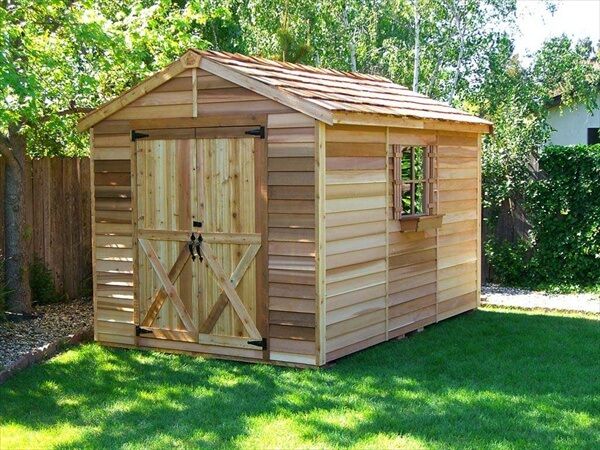
DIY Pallet Shed: Free Plans for a Sustainable and Affordable Build
The allure of a functional, aesthetically pleasing outbuilding often clashes with budgetary constraints and environmental concerns. However, a resourceful approach employing readily available and sustainable materials can reconcile these seemingly conflicting goals. This comprehensive guide details the construction of a durable and cost-effective shed utilizing reclaimed pallets, a readily available and environmentally friendly resource. By following these free plans, you can transform discarded materials into a valuable addition to your property, minimizing environmental impact and maximizing personal savings.
I. Planning and Preparation: Laying the Foundation for Success
Before embarking on the construction process, meticulous planning is paramount. This phase involves several crucial steps that will significantly influence the project's outcome and overall success.
A. Site Selection and Assessment
The location of your pallet shed should be carefully chosen. Consider factors such as proximity to existing structures, access to utilities (if needed for future modifications), sunlight exposure, and drainage. Ensure the chosen site is level and provides adequate space for construction and future access. Local building codes and regulations should also be reviewed to ensure compliance with any zoning or permitting requirements.
B. Material Acquisition and Evaluation
Sourcing pallets is a crucial aspect of this project. Prioritize pallets that are free from significant rot, insect infestation, and excessive damage. Inspect each pallet for structural integrity before incorporating it into the build. Heat-treated pallets are preferable, as they are less likely to harbor harmful pests. It is advisable to obtain more pallets than initially estimated, as some may be deemed unsuitable during the construction process.
C. Tool and Equipment Checklist
A comprehensive list of necessary tools and equipment will ensure a smooth construction process. This includes, but is not limited to:
- Measuring tape
- Level
- Hammer
- Screwdriver (both Phillips and flathead)
- Drill with various drill bits
- Saw (circular saw or hand saw)
- Safety glasses
- Work gloves
- Shovel (for ground preparation)
- Post-hole digger (if using posts for foundation)
- Concrete mix (if using a concrete base)
- Leveling blocks or gravel (for foundation leveling)
- Nail gun (optional, but highly recommended for speed and efficiency)
II. Foundation Construction: Establishing a Solid Base
A stable foundation is critical for the longevity and structural integrity of the shed. Several options exist depending on your budget and the nature of the soil.
A. Concrete Slab Foundation
This offers the most robust and level base. It involves excavating the site, creating a formwork, and pouring a concrete slab. Allow ample time for the concrete to fully cure before proceeding with the shed construction. This option necessitates more effort and material cost but offers superior stability.
B. Gravel Base Foundation
A more economical alternative, a gravel base involves leveling the ground and creating a layer of compacted gravel. This provides drainage and a relatively level surface for the shed's base. Consider using landscape fabric underneath the gravel to prevent weed growth. This method is suitable for well-drained soil.
C. Pressure-Treated Wood Post Foundation
For well-drained soil, pressure-treated wood posts set in concrete footings can provide a solid and relatively simple foundation. This requires digging post holes, setting the posts plumb, and filling the holes with concrete. This option requires less material than a concrete slab but provides a less level base.
III. Shed Construction: Assembling the Pallet Structure
With the foundation complete, the construction of the shed's walls and roof can commence. This section outlines the key steps involved in assembling the pallet structure.
A. Wall Construction
Pallet walls are constructed by carefully aligning and securing pallets vertically. Use screws or nails to connect pallets securely, ensuring vertical alignment and stability. Disassemble damaged pallets to acquire usable components for reinforcement or patching. Regularly check for plumbness using a level to maintain the structural integrity of the walls.
B. Roof Construction
The roof design can vary depending on preference and available materials. A simple gable roof is recommended for ease of construction. This might necessitate cutting and modifying some pallets to achieve the desired slope and overhang. Ensure adequate support for the roof structure to prevent sagging. Consider using additional lumber for reinforcement, particularly along the ridge and eaves.
C. Door and Window Installation
Pallet doors and windows can be created by modifying existing pallets or using salvaged materials. This may involve cutting and re-arranging pallet components to form a frame. Ensure proper sealing around the door and window openings to prevent drafts and moisture intrusion.
D. Securing and Finishing
Once the walls and roof are complete, secure the structure and address any gaps or weaknesses. Use additional bracing or reinforcement where necessary. Apply a sealant or weatherproof paint to protect the wood from the elements, extending the shed's lifespan and improving its aesthetic appeal. Consider adding a metal roof for added durability.
IV. Finishing Touches and Considerations
While the structural aspects are crucial, attention to detail enhances both the functionality and appearance of the finished shed.
A. Flooring
The choice of flooring depends on intended use. Options range from simple compacted gravel to plywood or even repurposed decking. Consider the need for moisture resistance and durability when selecting a flooring solution.
B. Insulation and Ventilation
Depending on the intended use of the shed, consider adding insulation to maintain a stable internal temperature. Adequate ventilation is essential to prevent moisture buildup and ensure air circulation.
C. Safety Considerations
Always prioritize safety throughout the construction process. Wear appropriate safety gear, such as gloves and safety glasses, and exercise caution when using power tools. Ensure the finished shed is structurally sound and meets local building codes.
Constructing a pallet shed offers a sustainable and budget-friendly alternative to traditional shed construction. By carefully following these plans and prioritizing safety, you can create a valuable and aesthetically pleasing addition to your property while promoting environmental responsibility. Remember to adapt these plans to your specific needs and available resources for a truly personalized project.


No comments:
Post a Comment
Note: Only a member of this blog may post a comment.